
Creating a cozy and inviting home office space is more important than ever, especially as many people spend significant time working from home. A well-designed office can increase focus, reduce stress, and make work feel more enjoyable. Whether you have a large room or just a small corner, there are simple ways to transform your work area into a comfortable, attractive place to spend your day. Here are some helpful tips for setting up a home office that feels cozy and inviting.
1. Choose the Right Location
The first step is deciding where to place your home office. Ideally, pick a quiet spot with minimal distractions—this could be a spare bedroom, a nook in the living room, or even a converted closet.
– Look for natural light: Position your desk near a window to benefit from sunlight, which can improve mood and reduce eye strain.
– Consider privacy: Choose an area where you can close the door or create a physical barrier to separate work from home life.
– Assess noise levels: Avoid high-traffic spots and noisy areas to maintain focus.
2. Invest in a Comfortable Desk and Chair
Comfort plays a major role in making your office inviting. Sitting for hours requires proper support to avoid discomfort or injury.
– Pick an ergonomic chair that supports your back and encourages good posture.
– Choose a desk at the right height to prevent strain on your wrists and shoulders.
– If possible, use a sit-stand desk to vary your working positions throughout the day.
3. Personalize Your Space with Decor
Adding personal touches to your home office can make the space feel uniquely yours and stimulate creativity.
– Incorporate artwork, photos, or framed prints that inspire you.
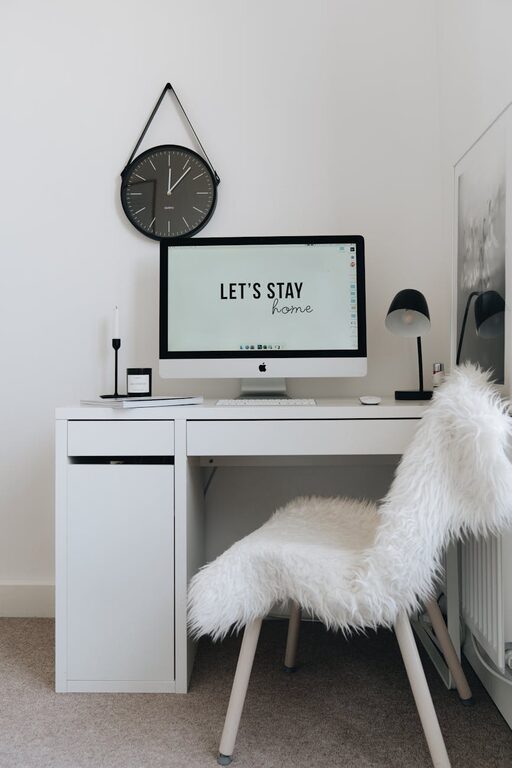
– Use cozy textiles like a soft rug, throw blankets, or cushions to add warmth.
– Include plants to bring life and fresh air to the room; they also help reduce stress.
4. Optimize Lighting
Good lighting is essential for comfort and productivity.
– Use a mix of natural, ambient, and task lighting.
– A desk lamp with adjustable brightness helps reduce eye strain during late hours.
– Consider warm-toned bulbs to create a cozy atmosphere, especially in the evenings.
5. Organize with Purpose
Clutter can be distracting, so keep your workspace tidy and well-organized.
– Use shelves, filing cabinets, or storage bins to keep documents and supplies in order.
– Declutter regularly to maintain a clean environment.
– Invest in cable management tools to avoid tangled cords around your desk.
6. Create Zones for Different Tasks
If space allows, designate specific areas for various activities such as computer work, reading, or brainstorming.
– A comfortable chair or small sofa can serve as a reading nook.
– A whiteboard or bulletin board helps track tasks and ideas visually.
– Organizing your environment into zones supports better workflow and reduces stress.
7. Utilize Technology Wisely
Integrate technology that enhances your work without overwhelming the space.
– Use wireless devices to minimize clutter.
– Choose a quality headset or speakers for clear communication.
– Keep chargers and cables neatly stored when not in use.
8. Maintain a Comfortable Temperature and Air Quality
Physical comfort affects your ability to work effectively.
– Ensure your workspace has good ventilation.
– Use a fan, heater, or humidifier as needed to maintain a pleasant temperature.
– Opening windows periodically can refresh the air and improve focus.
9. Add Inspirational and Motivational Elements
Boost your mood and motivation by surrounding yourself with positive reminders.
– Quotes, vision boards, or goal lists keep you focused on your objectives.
– Celebrate accomplishments by displaying awards or milestones.
– Rotate these elements occasionally to keep your space fresh and engaging.
10. Set Boundaries to Balance Work and Home Life
Your home office should help you concentrate during work hours and relax afterward.
– Keep work materials confined to your office area to avoid spillover into personal spaces.
– Develop a routine that includes starting and ending your workday in the home office.
– Closing your office door (or symbolically “closing” your work) signals to your brain when it’s time to switch modes.
—
Final Thoughts
Creating a cozy and inviting home office is about combining comfort, functionality, and your own personal style. By choosing the right location, investing in ergonomic furniture, organizing efficiently, and adding warm touches, you can build a workspace that supports productivity and well-being. Small changes make a big difference, so start simple and adjust your space to fit your needs. Your perfect home office is within reach!
Happy decorating and productive working!
Related Posts

Tips for Creating a Cozy and Productive Home Office Space
Creating a home office that is both cozy and productive…
Tips for Organizing Your Home Office to Boost Productivity and Comfort
Creating an efficient and comfortable home office is essential for…

Tips for Creating a Cozy and Productive Home Workspace
Creating a home workspace that is both cozy and productive…