
Creating an efficient and comfortable home office is essential for anyone working or studying from home. A well-organized workspace can improve focus, reduce stress, and increase productivity. Whether you have a dedicated room or a corner in your living space, these tips will help you optimize your home office for better performance and comfort.
Choose the Right Location
Selecting the right spot for your home office is the first step.
– Quiet and Private: Pick an area that is away from household noise and distractions.
– Natural Light: Position your desk near a window to benefit from natural light, which can boost mood and energy.
– Ventilation: Good airflow keeps the space fresh and comfortable for long hours.
Declutter Regularly
A cluttered workspace can negatively affect your ability to concentrate.
– Keep Only Essentials: Store or remove items that are not needed daily.
– Daily Tidying: Spend a few minutes at the end of each day organizing your desk.
– Use Storage Solutions: Utilize shelves, drawers, and containers to keep supplies tidy.
Ergonomic Setup for Comfort
Comfort is key to sustaining productivity and avoiding physical strain.
– Ergonomic Chair: Invest in a supportive chair that encourages good posture.
– Desk Height: Ensure your desk height allows your arms to rest comfortably with elbows at about 90 degrees.
– Monitor Position: Place your screen at eye level about an arm’s length away to reduce neck and eye strain.
Organize with Purpose
Thoughtful organization systems save time and reduce frustration.
– Desktop Organization: Use trays, pen holders, and file organizers for frequent-use items.
– Cable Management: Employ clips or cable boxes to keep cords untangled and out of sight.
– Labeling: Label drawers and folders to quickly find documents and supplies.
Personalize Your Space
Adding personal touches makes the office inviting and motivating.
– Plants: Small plants improve air quality and can reduce stress.
– Artwork: Hang inspiring images or motivational quotes to create a positive atmosphere.
– Comfort Items: Include cushions, a cozy rug, or a favorite mug to make the space yours.
Optimize Lighting
Lighting affects your mood and how you work.
– Layered Lighting: Combine overhead, task, and ambient lighting to avoid eye strain.
– Adjustable Desk Lamp: Use a lamp with adjustable brightness and direction for focused work.
– Avoid Glare: Position screens and lights to prevent glare and reflections.
Manage Time and Tasks Visually
Using visual aids can help maintain focus and organization.
– Whiteboard or Corkboard: Keep an overview of tasks, deadlines, and reminders.
– Planner or Digital Tools: Use calendars or apps to schedule your work and breaks efficiently.
– Break Area: Designate a spot nearby for short breaks to recharge without leaving your workflow.
Maintain a Routine
Consistency in your workspace habits supports productivity.
– Set Work Hours: Define specific start and end times for your workday.
– Regular Breaks: Take short breaks every hour to stretch and rest your eyes.
– End-of-Day Ritual: Tidy your desk and plan for the next day to create a smooth transition.
Keep Technology Updated
Reliable technology reduces disruptions during work.
– Regular Maintenance: Update software and clean devices to ensure smooth operation.
– Backup Solutions: Use cloud storage or external drives to protect important files.
– Adequate Equipment: Invest in quality peripherals like a comfortable keyboard, mouse, and headset.
Conclusion
Organizing your home office is more than just neatness; it’s about creating a functional, comfortable environment that supports your work style and well-being. By following these tips, you can transform your home workspace into a place that encourages productivity and makes working from home a pleasant experience. Take the time to set up your space thoughtfully—it’s an investment in your success and comfort.
Related Posts
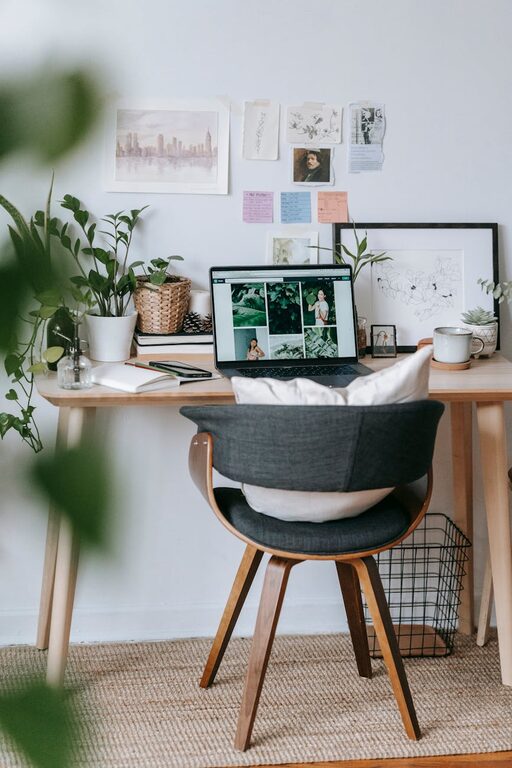
Tips for Creating a Cozy and Productive Home Office Space
Creating a home office that is both cozy and productive…
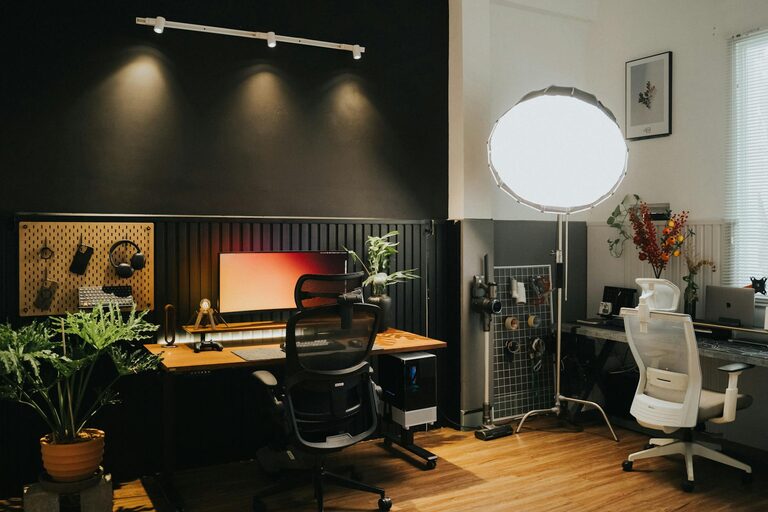
Tips for Creating a Cozy and Inviting Home Office Space
Creating a cozy and inviting home office space is more…
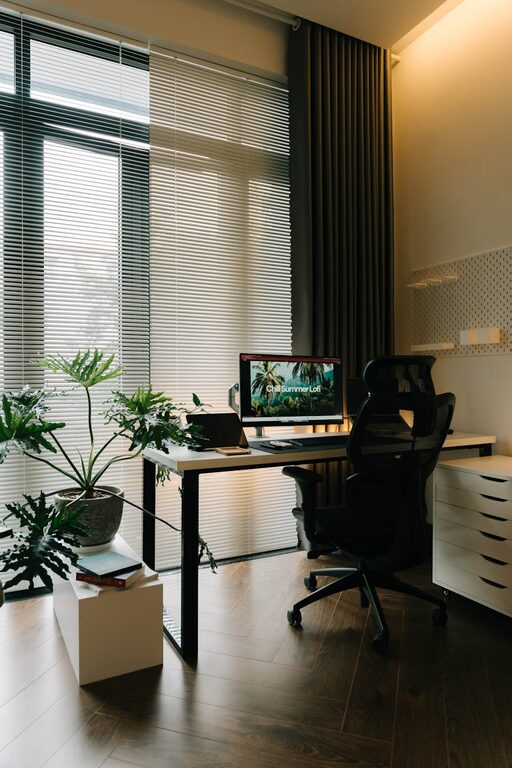
Tips for Creating a Cozy and Inviting Home Office Space
Creating a cozy and inviting home office space is more…